

By William Rivera
Understanding Our Seasons
Cape Coral’s climate features two main seasons: a wet season (roughly June through September) and a dry season (November through May). During the wet season, heavy rainstorms are common, often popping up in the late afternoon and followed by high humidity and heat. In dry months, rainfall drops sharply while cumulative heat and sunshine remain intense. Our annual rainfall is around 50-55 inches, most of which falls in that wet window.
Summer Heat and Health Risks
When humidity and temperatures climb, “feels-like” heat index values can exceed 100°F. High heat, combined with crowded urban areas and limited shade, put vulnerable residents—older adults, young children, and anyone without cooling—a risk for heat exhaustion or worse. Staying hydrated, scheduling outdoor activities in early morning or evening, and using shade or AC remain essential.
Water Quality & Canal Health
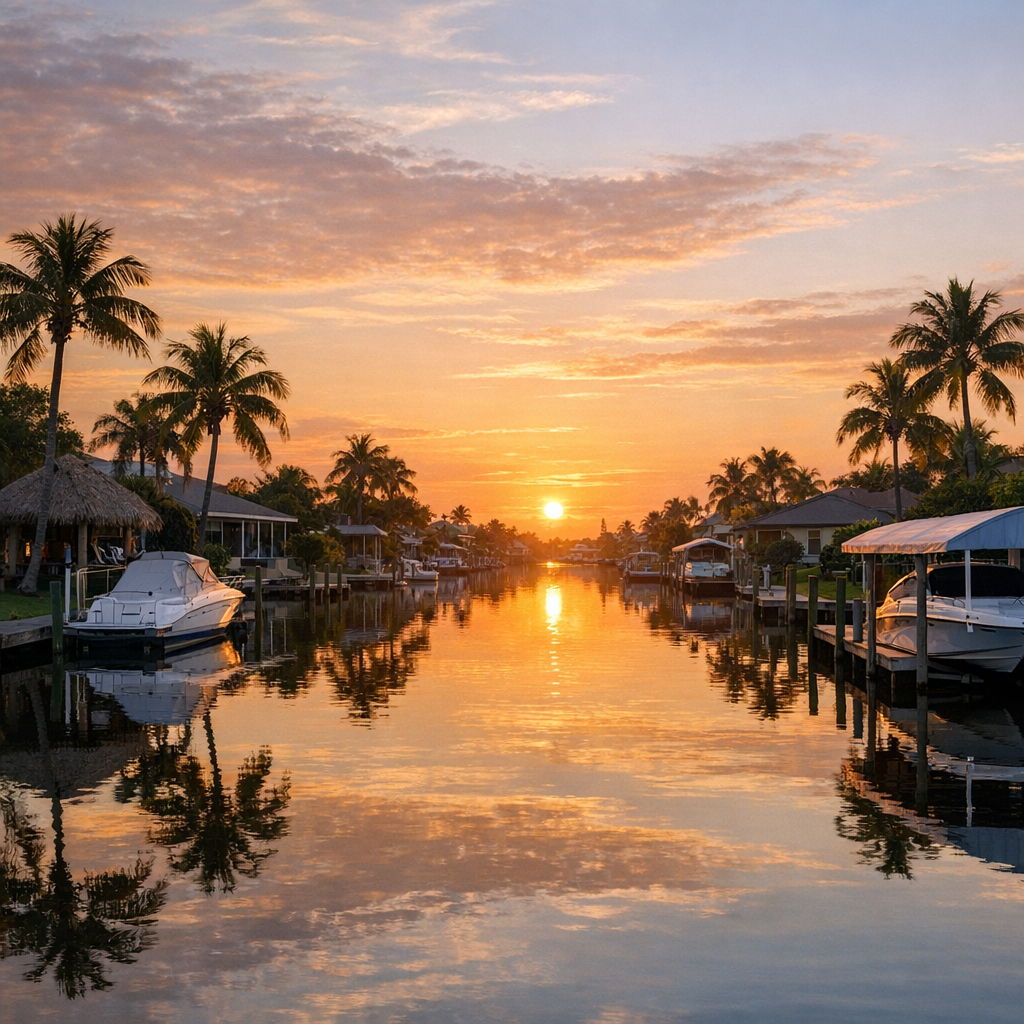
Cape Coral’s 400-mile canal system is central to life here—for waterfront living, habitat, and even flood control. The city monitors dozens of water quality indicators including dissolved oxygen, pH, nutrients like nitrates, turbidity, suspended solids, and bacteria levels.
Algae, Runoff, and Fertilizer Rules</
Excess nutrients from fertilizers and stormwater runoff can fuel algae blooms in canals—green, brown, or even red algae floating or attached to submerged surfaces. Warm water makes the issue worse. To combat this, Cape Coral enforces fertilizer restrictions from June 1 through September 30, prohibiting products with nitrogen or phosphorus content during that period. Also, landscaping programs like Florida Friendly Landscaping encourage using native plants that hold soil and soak up water more efficiently.
Flooding and Storm Preparedness
Flooding in Cape Coral can come from two main sources: heavy rains and storm surge tied to tropical systems. While our stormwater infrastructure handles typical summer downpours fairly well, hurricanes or prolonged storms can overwhelm it. Storm surge in an intense event has the potential to push water many feet above normal along the coastline, rivers, and canals.
Building Resilience as a Community
Preparing for hurricanes isn’t optional—it’s part of life here. The City’s Emergency Management & Resilience department emphasizes advance planning: know your evacuation zone, assemble a 72-hour hurricane kit (water, food, medication, flashlights), trim trees, secure loose items, and maintain flood insurance.
Looking Ahead: Climate Trends That Matter
Longer dry spells, more intense rainstorms, and sea level rise are already under way. Cape Coral’s climate vulnerability assessments point to risks from coastal erosion, loss of mangrove habitat, alterations in water flow, and threats to wildlife. Maintaining natural buffers like wetlands and mangroves, protecting water quality, and investing in resilient infrastructure all matter for our future.
What Residents Can Do
- Choose native, Florida-adapted plants in yards to reduce fertilizer runoff and resist extreme weather.
- Use rain barrels or other stormwater capture techniques to limit pollutant flow to canals.
- Stay informed via city alerts, especially during hurricane season.
- Support and follow local environmental programs like Canalwatch and monofilament recycling.
- Reduce personal energy use—shade trees, efficient appliances, and mindful water habits help both bills and the environment.
Cape Coral depends on the health of its weather, water, and natural landscape. By paying attention to climate patterns, protecting our canals, and preparing for storms, we can live well—and protect this place we love—for years to come.