

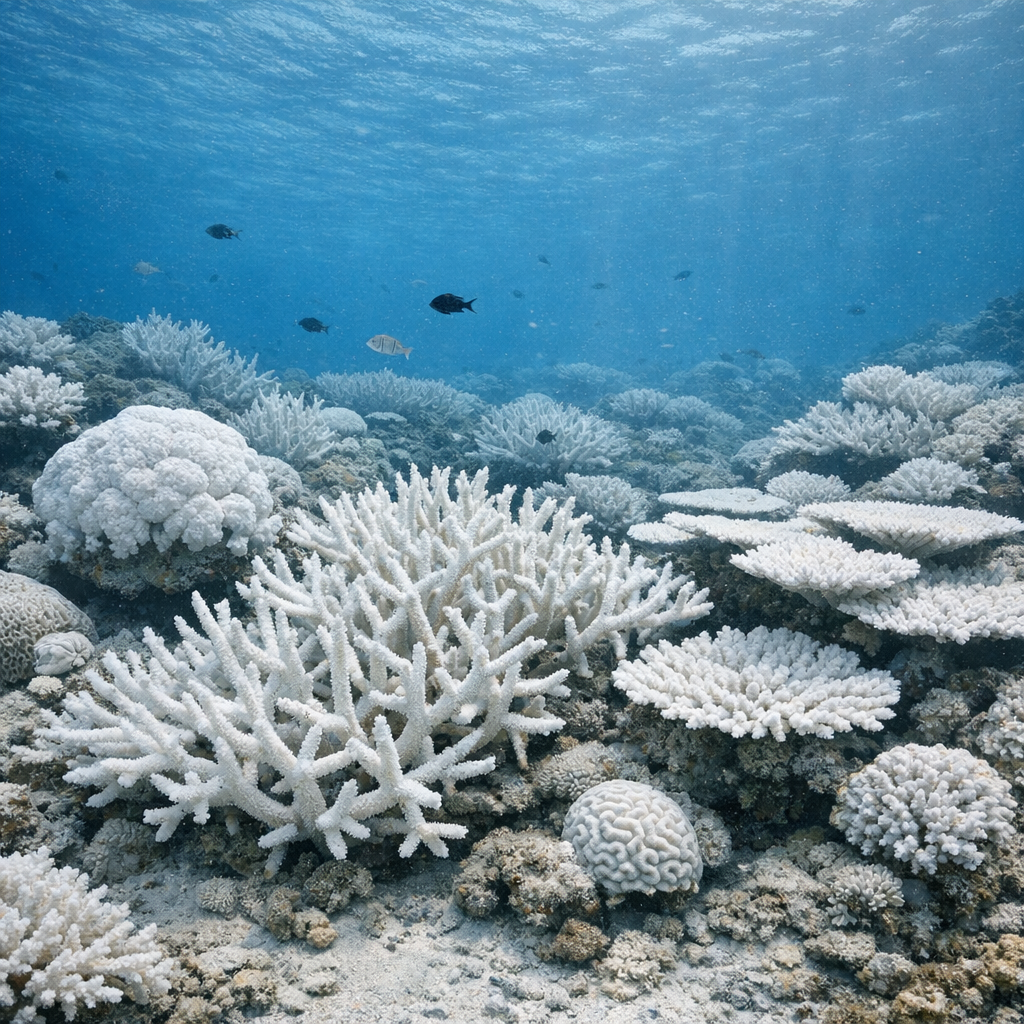
Coral reefs, often referred to as the “rainforests of the sea,” are vital to marine biodiversity and coastal economies. However, the ongoing global coral bleaching event, identified as the fourth of its kind, is causing unprecedented stress on these ecosystems worldwide, including those in Florida.
Understanding Coral Bleaching
Coral bleaching occurs when corals, stressed by elevated sea temperatures, expel the symbiotic algae (zooxanthellae) that provide them with energy and color. This not only leads to the whitening of corals but also compromises their health and survival.
Global and Local Impacts
Since February 2023, mass coral bleaching has been documented across at least 70 countries, affecting over 74% of the world’s reef areas. In Florida, particularly within the Florida Keys National Marine Sanctuary, corals have experienced extreme heat stress, leading to significant bleaching and mortality. Some sites have reported heat stress levels twice as high as previous records, with severe impacts observed in the lower and middle Florida Keys.
Economic and Environmental Consequences
For coastal communities like Cape Coral, the degradation of coral reefs has far-reaching implications. Healthy reefs act as natural barriers, protecting shorelines from erosion and storm surges. They also support local economies through tourism and fishing industries. The loss of coral health can lead to decreased fish populations, affecting both commercial and recreational fishing, and can deter tourists, impacting businesses reliant on marine-related activities.
Community Response and Conservation Efforts
In response to these challenges, local organizations and residents are actively participating in conservation initiatives. For instance, Keep Lee County Beautiful has joined the International Coastal Cleanup, emphasizing the importance of maintaining clean and healthy marine environments.
Additionally, NOAA scientists and partners are employing various methods to restore Florida’s Coral Reef, but it’s a race against time.
Looking Ahead
Addressing the global coral bleaching crisis requires both local and international efforts. Reducing greenhouse gas emissions, implementing sustainable fishing practices, and supporting coral restoration projects are essential steps. For Cape Coral residents, staying informed and engaged in local conservation efforts can contribute to the resilience of our marine ecosystems and the communities that depend on them.